
Adventure
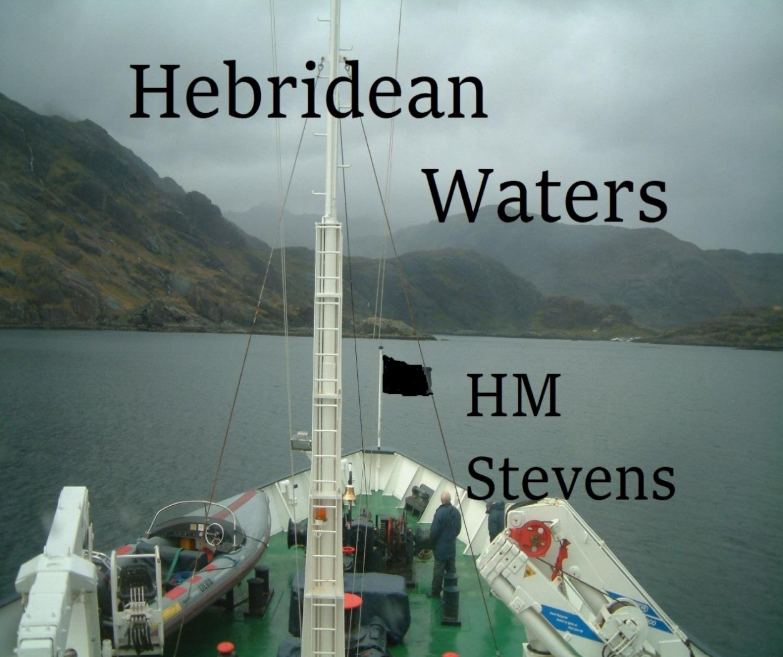
Hebridean Waters
Hebridean Waters
Prologue
UNESCO lists the Island of St. Kilda as one of its world heritage sites and rightly so. Lying just forty nautical miles out in to the North Atlantic westwards from a beautiful array of islands. As the last Ice Age receded the rising sea levels washed around this area and left the higher ground creating an archipelago of assorted islands known collectively as the Hebridean Islands. An area of outstanding natural beauty.
Sparsely populated and difficult to explore by conventional modes of transport without incurring the expensive use of the numerous roll on roll off ferries that connect the islands to each other and the mainland of Scotland. This heavily Government subsidised service is a lifeline to the local island inhabitants.
The alluring windswept islands of the Hebrides are each individual monuments to history. Some are dotted with large properties, stately homes and castles, others island have distilleries producing the finest malt whiskies. Islay alone boast nine independent working distilleries with famous labels such as Ardbeg, Bowmore, Bruichladdich, Lagavulin and Laphroaig. The whisky often referred to as the elixir of life is created from the unique combination of fresh island spring water filtered through aromatic peat beds with a salty tang of the sea. Some islands are home to ancient Clan Chieftains with families dating back centuries. Visitors come from all over the world claiming to have roots back in Scottish Folk Law, an incentive enough to come in search of their ancestry. This enchanted area experiences weather moods that change with the seasonal metrological phenomena so synonymous of Great Britain. In the summer the islands white sandy beaches are warmed by the North Atlantic Drift. Whilst in the winter the islands to the south west extremity of this vast area are exposed to strong southwesterlies that roar up the Little Minch creating huge rollers that crash onto rocky shores. This creates an ever changing seascape for photographers who lay in wait to capture these scenes with the same enthusiasm and eagerness as bird watchers hoping the catch a glimpse of a rare species of bird. During the summer months the North Atlantic brings slow moving powerful deep blue rollers, towering to the height of skyscrapers before landing on the bleached white beaches of the Isle of Tiree. These extraordinary waves have made Tiree the place of choice to stage the World Surfing Championships.
For tourists to these parts the best way to take in all that these isles have to offer is by ship. Without doubt the best option is aboard the luxury boutique cruise ship the ‘Hebridean Dawn.’ Aunique vessel that was conceived by four farsighted businessmen on a fishing trip. They were stormed bound aboard their chartered fishing boat in the picturesque Hebridean port of Tobermory. Whilst there ashore sitting in a pub a chance conversation over a few beers found them expressing just how lucky they were to be able to sail in and amongst these beautiful islands and see God’s work. By sharing this with others they could produce a profitable business. Poor accessibility by road left only one conclusion to be able to see all that the area had to offer and that was by sea. Their first attempt was to use converted fishing boat skippered by a retired fisherman, a born and bred local islander who knew these waters like the proverbial back of his hand. It was an instant success and the twelve berth boat could have been sold out multiple times over. Thus they agreed to gamble and go big, using a much larger sea going vessel. After an intensive search they found her languishing at buoys in the River Fal. Following protracted negotiations the ship was purchased.
The “Hebridean Dawn” a two funnelled, twin screwed ship with the graceful lines of a bygone age. She looked out of place sitting majestically alongside the quay in Oban harbour, dwarfing the bus service ferries of the Caledonian MacBrayne Line which were constantly fussily buffeting in and out of Oban on their regular services to the many islands of the Hebrides.
It is said that ship have souls. The soul of “Hebridean Dawn” was certainly superior to those of the workhorse humble ferries. When in Oban and alongside her berth the “Hebridean Dawn” gave the impression that she was snootily looking down on the common ferries. “Hebridean Dawn” was so much more than just a ship, she encompassed a way of life from the romantic days of sea travel. She was old by modern day standards. She was even older than the collective age of the ferries coming in out and out of Oban that bustled around her.
Originally built for the long extinct African Colonial Steamship Company of Liverpool as the s.s.”Apapa”, so named after a major West African seaport. The s.s.“Apapa” ran a regular scheduled passenger service from Liverpool, the only UK port she ever visited, apart from when she went across the Irish Sea to the Harland & Wolfe Shipyard for her annual refit.
From Liverpool she would depart at her schedule time sailing to her first port of call, Dakar in the old French colonial country of Senegal. Here she would off load Royal Mails, passengers and take on bunker oil. By bunkering in Dakar she took advantage of buying oil on the duty free world market thus avoiding punitive UK taxes. From Dakar she would call at Freetown, Monrovia, Takoradi, Lagos, Port Gentil and finally Luanda. This was her terminus port and after a short stay she would then sail northwards homeward bound calling at all the same ports on the way. Her regularschedule was based on a round voyage Liverpool to Liverpool of only six weeks.
The majority of her passengers were the rich and wealthy with business interests in the British colonial dominated West Africa, or the many British company men and women and families who worked in this part of the world. Finally there was a smattering of Civil Servants and Servants of God in the form of religious Missionaries.
Consequently the s.s.”Apapa” had cornered this particular travel route with her luxury and relatively fast service to and from West Africa. She was always full. With her service cruising speed of 20 knots she was ideal for HM Government’s lucrative Royal Mail and Diplomatic Despatches contracts.
Despite the still quite distinct class conscious period 50’ and 60’s the s.s.”Apapa” was unique and ahead of her time by being all one class. All her cabins were outboard, many with balconies and large opening sliding windows, not portholes. This allowed fresh air to circulate throughout in these pre air-conditioned days. The food and service from the joint British and African crew was par excellence. Her dining room was reminiscent of the Ritz in London with the French Executive Chef and his team producing a standard of cuisine fit for a King. And several European Kings and Queens did travel aboard. Her comfortable cabins and staterooms all had en-suite bathrooms with a 24 hour room service all adding in to the overall experience of abject luxury. The cabins being serviced daily by conscientious hard working African ladies. Every night there was a turn down service with neat little hand made chocolates laid out on the pillows. If so desired breakfast in bed could be ordered. All this was before cruising became popular, yet the owners of this fine vessel had the foresight to specify the fitting off an outdoor swimming pool on the top deck. Nothing had been overlooked in her design so as to ensure that her passengers were to enjoy this luxurious treatment, if only for a brief moment in time.
All this had come to a sad end with the development of the jet aero engine and the British built Comet. Suddenly West Africa was within only a few hours non stop flight. Almost overnight the “s.s. Apapa” became a ghost ship with only a chosen few who could afford the time and money to travel this leisurely route. It couldn’t be sustained financially and the s.s.”Apapa” was withdrawn from service and the crew all laid off. The end of an era had come. The vessel sat moored at the lay-up buoys in the River Fal whilst the owners looked for an alternative source of employment for her. Cruising had yet to become of age and the Port of Miami at this time was little more than a swamp. So it was not to be and just when she was due to fall under the cutters torch the fourentrepreneurs appeared and introduced this luxury of old fashioned oceanic travel to Scotland. With a grand ceremony and to a great fanfare of publicity ashes of the s.s.”Apapa” had been remodelled in to the shape of a magnificent vessel, the ‘Hebridean Dawn’, a legend was born. With only minimal alterations such as removing the swimming pool she began a new lease of life. And so, the onboard luxury and service of yesteryear was fastidiously copied and became synonymous with sailing around the Hebrides. Sailing from her home port of Oban the vessel’s itinerary takes her up the Sound of Mull calling at numerous small ports along her ever changing routes. Her West African ports of call were substituted with evocative Scottish places such as Mull, Rum, Eigg, Fingal’s Cave on the Isle of Staffa which inspired Mendelssohn’s aptly named Hebridean overture. Northwards along the Atlantic coast line passing Ardnamurchan Point Lighthouse, the westernmost point of the UK mainland. Onwards up the Sound of Sleat through Kyle Rhra, taking in such places as the Kyle of Lochalsh. Then around the inner Isles and Lochs visiting quaint ports such as Plockton, the backdrop for the popular TV series Hamish MacBeth and many more picturesque shore side villages sitting in the shelter of beautiful Lochs. The itinerary offering unique adventures and sights.
At times the Isles are totally shrouded in a candy floss like wispy Dawn from which the ship takes it’s name. This Dawn when accompanied by low cloud creates a mystic ghostly landscape. The atmosphere is often enhanced by the sound of male stags’ mating calls that echo down the Glens and over the glistening, freezing waters of landlocked Lochs. In the summer this area is the play ground of the yachting fraternity attracting sailors of all nationalities coming to sail and meander these waters. Come sunset many a hidden cove’s anchorages are decorated with a colourful bunting of international flags. The waters that surround these islands are clean and free from pollution with crystal clear shallows turning to the colour of turquoise. Little wonder then that it was a favoured summer destination for the late Queen Elizabeth II when she would sail around here aboard the Royal Yacht ‘Britannia’. Being ‘Adrift in the Isles’ was a well known phrase often quoted by Sunday Supplement travel journalists waxing lyrical about these parts, while they, although not strictly adrift, were safely ensconced aboard the boutique cruise ship the m.v.’Hebridean Dawn’.So named after the legendry Dawny phenomena that often cloaks these islands which is as well known as the Pacific climate pattern called El Niño.
The ‘Hebridean Dawn’ offers a standard of luxury, comfort and cuisine equivalent to the most elite world class hotels frequented by the rich and famous. Many of her guests could easily match pound for pound some of the world’s most well known and wealthy persona. On the quayside at the nominated embarkation time there is a strange ritual to behold, as the guests arrive whether by car, coach or on foot there is much air-kissing and hugging between the crew and guests as they express their glee, happiness and excitement at seeing each other, as though greeting long lost relatives. Even the superior senior officers of this majestic ship are not immune. The company mantra strictly stipulates that all are called guests not passengers. They believe passengers are always in transit and passing through whereas guests arrive at a destination. There is such a high repeat business of guests that many spend more time onboard the vessel than the crew who work so diligently to serve them. It is often said that like her name the guests are enveloped in a Dawn of well being as soon as they step aboard this ‘Hallowed Ground’.
Once aboard the guests are cocooned. As soon as they walk aboard it is as if the spirit of the ship weaves a magic spell around them. For some this is sufficient, they prefer to observe the wonder of the Isles through binoculars or telescopes from the luxurious comfort of the several observation lounges around the vessel or from their state room cabin balconies, preferring this to settingfoot ashore. These guests are the type to look upon walking with the company’s specialist guides as an arduous and unnecessary task often comparing it to the famous notorious ‘yomping’ perfected by the Royal Marines.

Anthony "HMS" Stevens
Following an illustrious career, spanning over 40 years, HM joined the RN’s Royal Fleet Auxiliary Service followed by the Merchant Navy. All of which all led him to become General Manager of the World, well that’s actually a ship called ‘The World’. His travels took him from the frozen arctic to the balmy tropics.
During his time, HM has encountered wars ranging from the Congo in the south to the Cod Wars in the north, then Cyprus, and finally the Falklands, as well as humanitarian disaster relief.
Now retired, HM has published his first novel, ‘Murky Waters’, a somewhat saucy, nautical crime mystery saga. When not writing, HM spends his spare time flying a beautiful Robin Regent airplane and is currently working on his second novel, 'Hebridean Waters'.